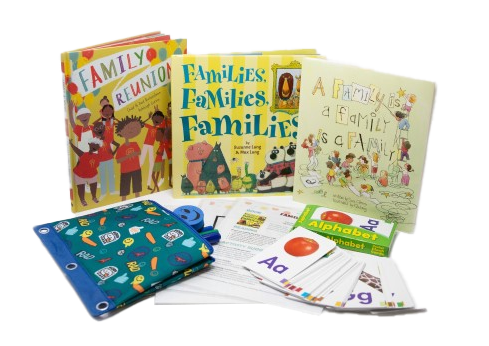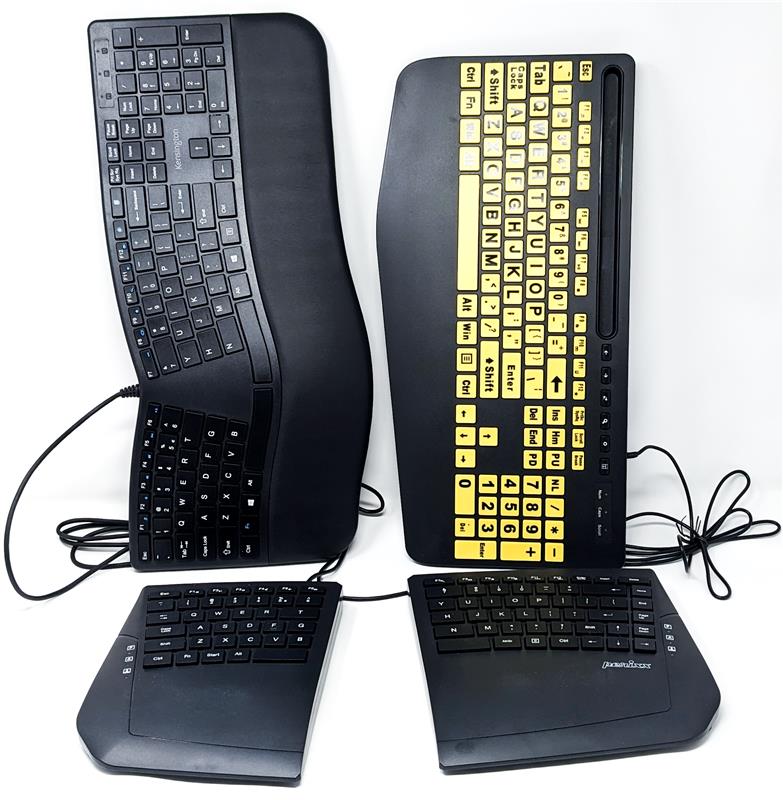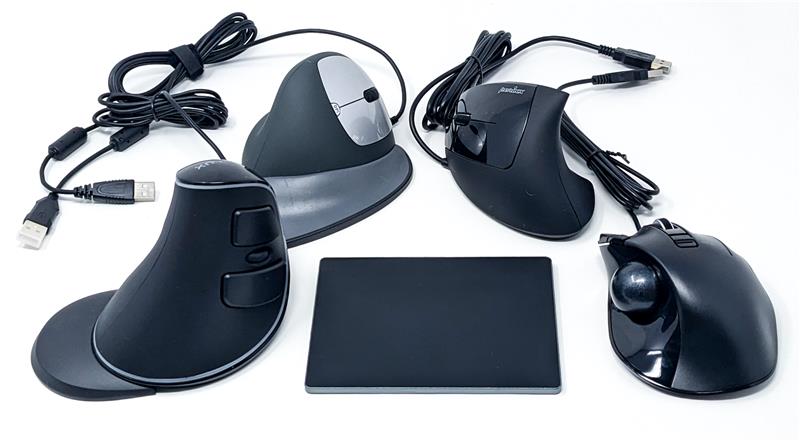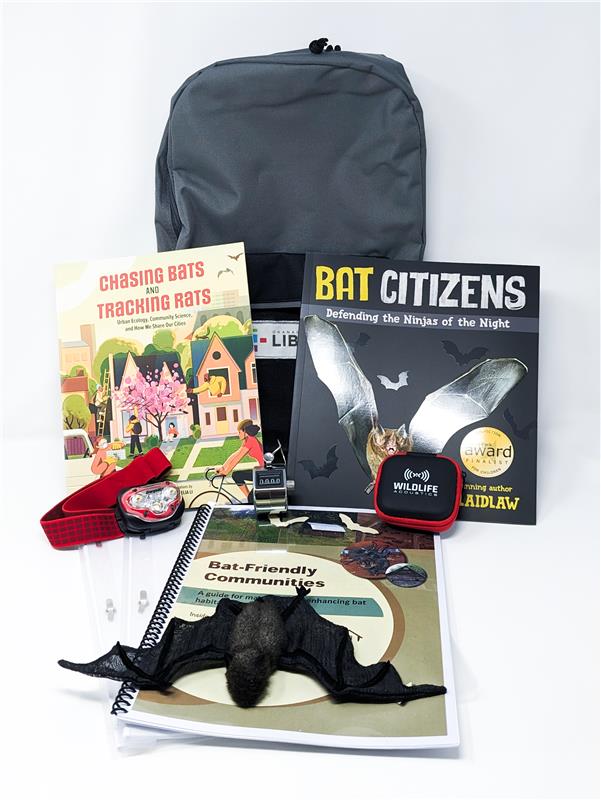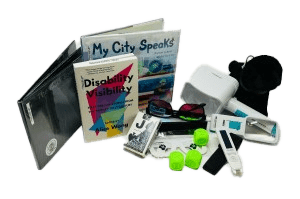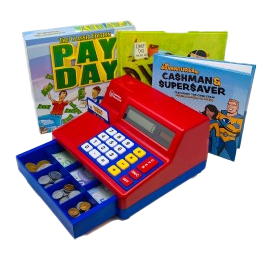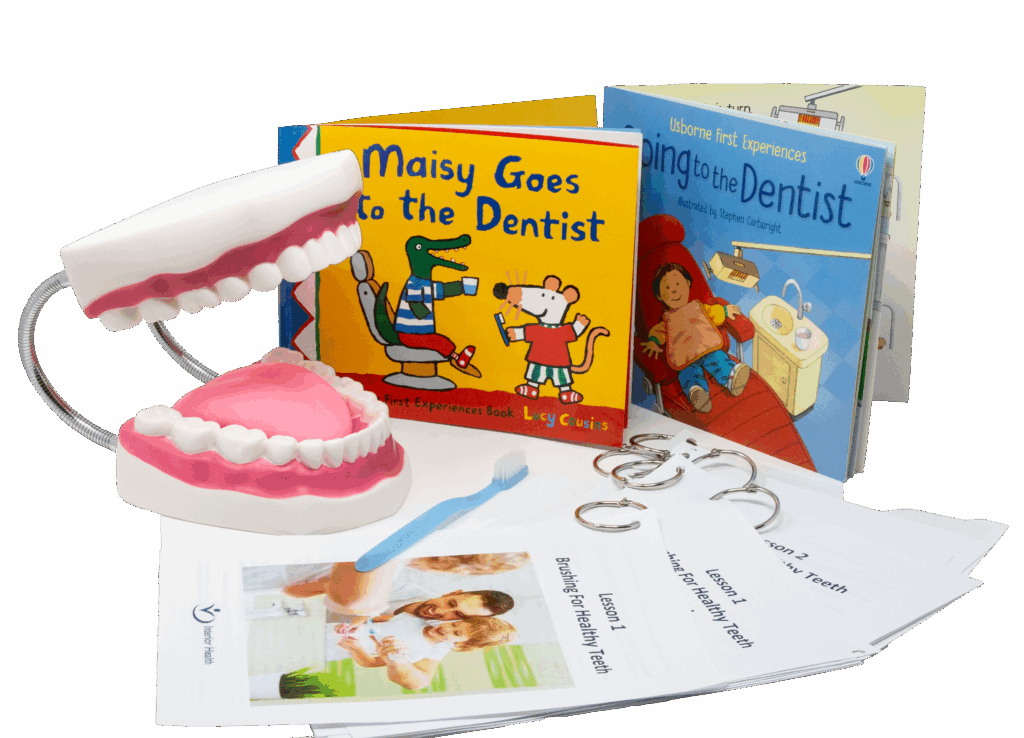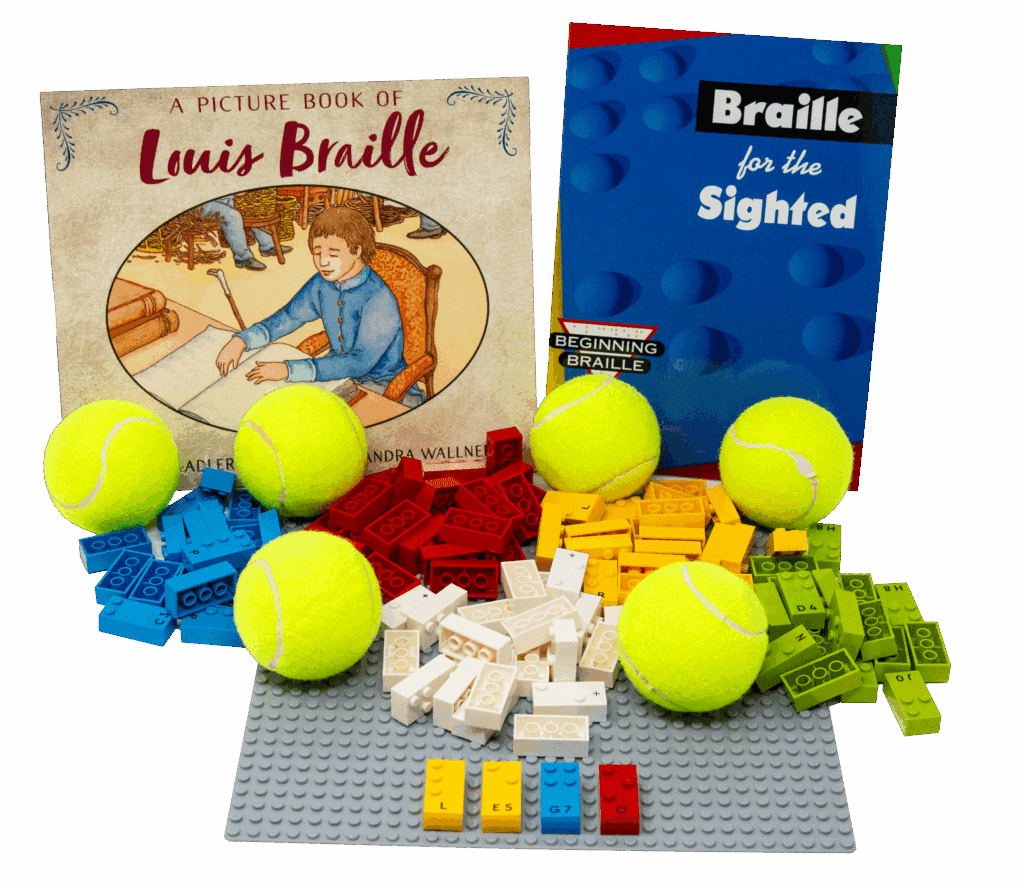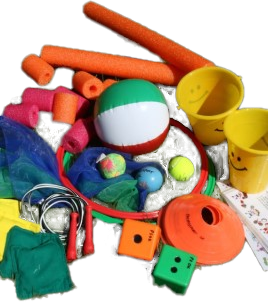
A box full of great stories to share. A reason to slow down. A way to experience the joy of learning together. The ORL’s Family Literacy Kits are designed to help families turn reading into a shared experience. Each themed kit invites children and caregivers to explore books, ask questions, try hands-on activities, and discover how everyday moments can build strong literacy skills.
Whether you’re discussing family traditions, exploring kindness, or stepping outside to notice the natural world, these kits make it easy to learn side by side with your little ones, at your own pace and in your own way.
About the Kits
Our Family Literacy Kits are created to support caregivers as a child’s first and most important teacher. Through themed books, playful learning activities, and guided questions, families can build language skills, imagination, and confidence together.
Developed in partnership with the Reading, Language, and Mathematics (ReaLM) Lab at the University of British Columbia’s Okanagan School of Education, these kits are grounded in research and designed for real-life family use. Each kit encourages conversation, reflection, creativity, and shared discovery.
Available Kits
Families Kit
Families come in many wonderful shapes, sizes, and traditions. This kit explores family stories, relationships, and memories through engaging books and family-friendly activities.
Kindness Kit
Friendship and kindness help children develop empathy, confidence, and strong social skills. This kit encourages thoughtful conversations about caring, sharing, and understanding others, with activities that help children practice compassion in everyday life.
Nature Kit
Step outside and notice the world around you. What do you see, hear, smell, or feel? The Nature Kit invites families to explore their local environment while building observation skills, curiosity, and a sense of wonder.
What’s Inside
- A selection of themed children’s books
- Hands-on literacy activities
- Alphabet or word-building materials
- Guided reading questions to spark conversation
- Simple activity instructions for caregivers
How It Works
Borrow a Family Literacy Kit with your library card and enjoy exploring it at home during the loan period.
Choose a book and use the guided questions before, during, and after reading to encourage discussion and deeper thinking. Try the included hands-on activities to build fine motor skills, vocabulary, and letter knowledge in playful ways. There is no “right” way to use the kit. Follow your child’s interests, ask open-ended questions, and enjoy learning together.
Helpful tip: even a few minutes of shared reading each day can make a lasting difference in language development and confidence.
Literacy Support at the ORL
The ORL offers a wide range of resources to support literacy at every age and stage, including:
Story Time programs and family-friendly events
Reading Lists created by our Youth Services librarians
What to Enjoy Next personalized reading list service for adults, children, and teens
The ORL’s Digital Collection, including ebooks and e-audiobooks
TumbleBooks Library for animated and read-along children’s titles
Online Resources for learners of all ages
Accessible reading services for all ages
Questions about literacy programs or resources? Visit your local branch or contact us at help.bc.ca. We’re here to help!
Local Organizations
Many community organizations across the region offer programs that support literacy, lifelong learning, and family engagement. These groups provide opportunities for children and adults to build skills, connect with others, and access helpful resources.
Kelowna: Project Literacy
Vernon: Literacy Society of the North Okanagan
Salmon Arm: Literacy Alliance of the Shuswap Society
Revelstoke: Revelstoke Life
Acknowledgements
This literacy resource was developed by the Reading, Language, and Mathematics (ReaLM) Lab, directed by Dr. Jessica Chan, Assistant Professor of Language Arts and Literacy Education, Faculty of Education, University of British Columbia, Okanagan School of Education.
At the ReaLM Lab, researchers study how children from all language backgrounds learn to read in Grades 1–6, why some students experience challenges with language and literacy skills, how language and reading development support learning in mathematics, and what families and educators can do to strengthen early literacy.
Funding Support
University of British Columbia Faculty of Education – Elevate and Mobilize Equity, Diversity, and Inclusion Research Grants in Education (EMERGE)
University of British Columbia Community Engagement Office – Partnership Recognition and Exploration (PRE) Fund
Family Literacy Activities to Try at Home
Point It Out
Use your finger to follow the words as you read. This helps children connect spoken language with printed text.
Pause to look closely at the illustrations.
What do you notice?
Do you see any favourite colours?
What does this picture remind you of?
For extra fun, create a simple “finger wand” to use as your reading pointer.
Alphabet Race
Spread alphabet cards face up on a table or the floor. One person chooses a letter and says it aloud. Everyone races to think of a word that begins with that letter. Keep score on a whiteboard or simply play for the joy of it.
Alphabet Play
Choose a letter and list as many words as you can that begin with it.
A: Apple, Acorn, Animal, Auntie
B: Ball, Bumblebee, Big, Best
Talk about what each word means. If you come across a new word in your reading, write it on a whiteboard and explore it together.
Squishy Letters
Make your own no-cook playdough with the help of an adult.
Ingredients
3 cups boiling water (adult assistance required)
1 1/2 cups salt
1 1/2 tablespoons vegetable oil
3 teaspoons cream of tartar
3 cups flour
Steps
Gather all five ingredients. You may wish to wear an apron, as things can get a little messy.
Mix the first four ingredients together in a large bowl.
Gradually add the flour, one cup at a time, mixing well after each addition.
Knead the dough until it forms a smooth ball. Lightly flour your surface if needed and continue kneading until the texture is soft and even.
Storage
Store the playdough in an airtight container in the refrigerator. It can last up to two months, depending on use.
Squishy Letter Fun
Playdough offers a hands-on way to strengthen fine motor skills while building letter knowledge. Roll the dough between your hands to create a long “snake.” Think of words from your book. Say the letter name and its sound as you shape each letter. Try forming simple words together and talking about what they mean.
Reading Together: Questions to Spark Conversation
A few thoughtful questions can turn story time into a rich learning experience. Try these prompts before, during, and after reading to encourage curiosity, reflection, and imagination.
Before Reading
Look at the cover and title. What do you think this book might be about?
What do we already know about this topic? What do you think we might learn?
Who is the author? Why do you think they wrote this story?
During Reading
What has happened so far?
What questions do you have?
What do you think will happen next?
Are there any new or interesting words? What might they mean?
What do you notice in the pictures?
After Reading
What did we learn from this story?
What are you still wondering about?
How might you change the ending?
Did you make something awesome using this kit?
Share your creation with us on social media. Remember to use #ORLMakes so everyone can appreciate, learn, and marvel at your invention.

Tell us what you thought!
We want to know all about your experience using this Library of Things kit at home. Please take a few minutes to complete a brief survey.
Lending Policy
- This kit can be borrowed for 28 days.
- 1 renewal if no one else is waiting for the item.
- The borrower is responsible for lost, missing, and damaged pieces (see content list with prices included with kit).
- Before returning, please ensure all items are clean and in good condition.
- Return the kit to a staff member at the front desk of your nearest ORL location. Do not use the book drop or leave them outside the library.
- BC One Card patrons: Library of Things kits must be checked out and returned to one of the Okanagan Regional Library branches.