Freedom to read is often discussed as a right—and it is. In Canada, that right is rooted in the Canadian Charter of Rights and Freedoms, which protects fundamental freedoms of thought, belief, opinion, and expression.
At the same time, freedom to read carries responsibility. For libraries, that responsibility is reflected in how collections are built, how access is protected, and how readers are supported in making their own choices.
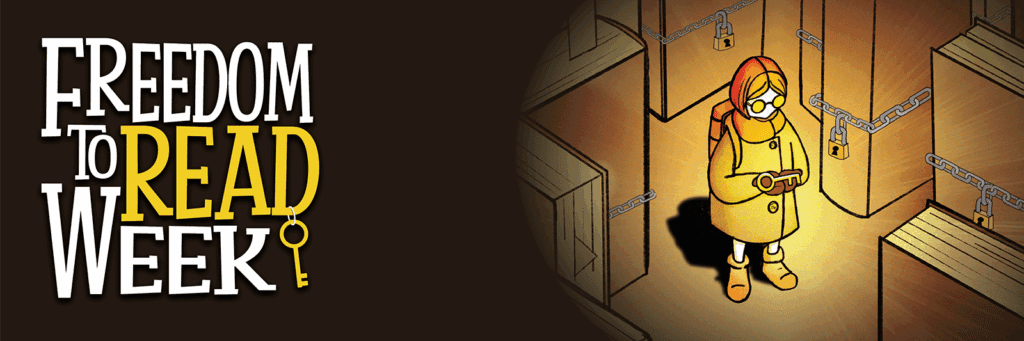
During Freedom to Read Week, it is worth pausing to look at how these principles work together in everyday library service.
From Charter to Checkout
The values set out in the Canadian Charter of Rights and Freedoms guide public institutions across the country, including libraries. The Charter affirms the importance of free expression and the ability to seek out information and ideas without undue restriction.
Libraries give life to these values in practical ways. By making a wide range of materials available to the public, libraries help ensure that people can explore ideas, learn independently, and engage openly with the world around them.
At the Okanagan Regional Library, this work is guided by professional standards and policies that support intellectual freedom while serving the needs of a diverse regional community.
Freedom Supported by Thoughtful Selection
Libraries are not neutral warehouses that collect items without consideration. Materials at the ORL are selected intentionally, using well-established, professional criteria that prioritize accuracy, relevance, quality, and community value.
Materials may be excluded from the collection if they contain inaccurate information, are intended to promote hatred or intolerance, or are too narrowly focused to serve the general public. The Library also does not purchase or provide access to materials that violate Canadian or British Columbia law.
These boundaries are not about limiting access to ideas. They are about ensuring that a public collection remains trustworthy, lawful, and useful to the communities it serves.
Balance, Variety, and Nuance
Many topics inspire strong feelings and differing viewpoints. Libraries recognize that encountering a range of perspectives is part of learning and critical thinking.
For controversial subjects, the ORL seeks variety and balance whenever possible, while continuing to prioritize accuracy and reliability. Offering multiple viewpoints allows readers to explore issues thoughtfully and come to their own conclusions.
This approach reflects a key Charter value: the freedom to think independently, supported by access to information rather than direction or endorsement.
Shared Responsibility
Libraries take responsibility for building collections with care, transparency, and respect for the law. They safeguard access, protect privacy, and create welcoming spaces for learning and exploration.
Readers, in turn, take responsibility for their own choices—selecting materials that meet their needs, values, and interests, and guiding their families’ reading decisions in ways that make sense for them.
Together, this shared responsibility allows libraries to reflect the values of the Charter and create spaces where learning and curiosity are encouraged and differences are respected.
Why this matters during Freedom to Read Week
Freedom to Read Week reminds us that open access to ideas is neither accidental nor unassailable
At the ORL, freedom to read is a reflection of the values protected by the Charter and expressed through thoughtful and professional service, respect for personal choice, and trust in our valued communities.
For more information about the ORL’s Collection Guidelines, please see our Board Policy and Regulations.
Need More Help?
Call us at 1-844-649-8127 or email help@orl.bc.ca. Including as many details as possible about your question, account, or device helps us support you more quickly and accurately. Library card expired? Reach out to your local branch or contact us online to renew. It’s quick and easy.