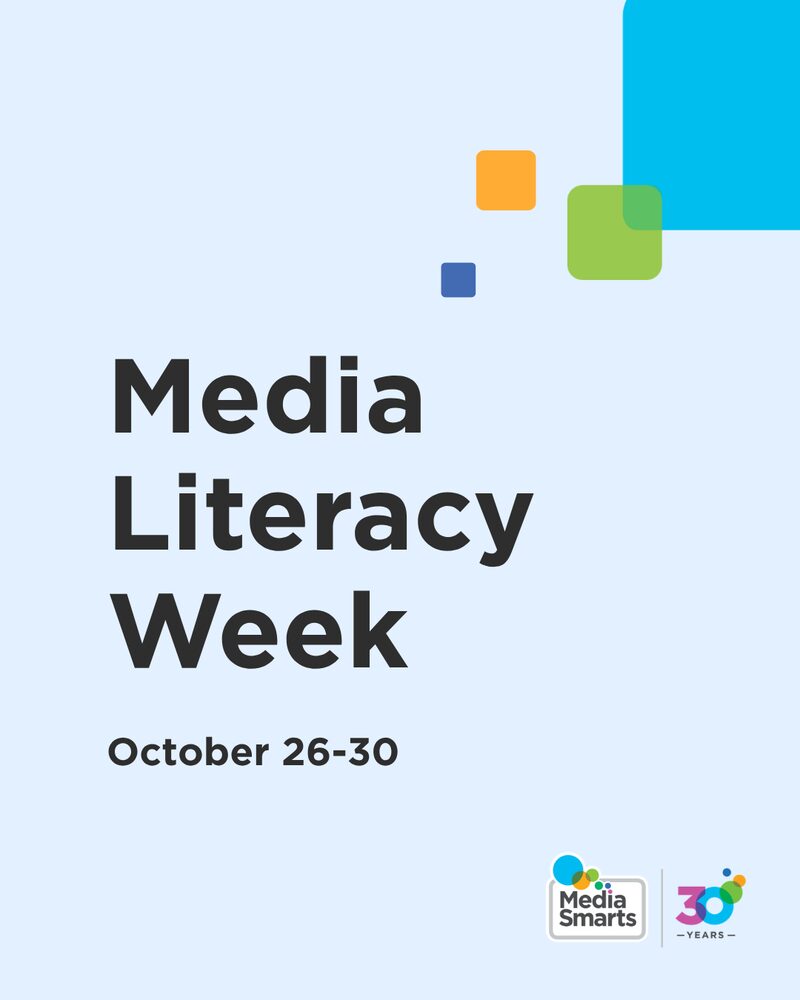
How can you tell what’s real online? Can you recognize AI-generated content, spot misinformation or decide whether a news story is trustworthy? These are important questions in today’s digital world, and Media Literacy Week, October 26–30, is a great opportunity to explore them.
Organized by MediaSmarts, Canada’s centre for digital media literacy, this annual initiative encourages Canadians to develop the skills to think critically about the information they encounter online. Whether you’re curious about artificial intelligence, helping children navigate social media or simply looking to sharpen your fact-checking skills, here are five ways to participate.
Celebrate Digital Citizen Day October 28
Digital Citizen Day, taking place Wednesday, October 28, encourages Canadians to consider how their online actions affect others and what they can do to make digital spaces more positive, respectful and informed. Being a responsible digital citizen can be as simple as checking information before sharing it, respecting different opinions, protecting personal information or offering encouragement to someone online.
This October 28, consider sharing one positive action you take online using #DigitalCitizenDay.
Test Your Ability to Spot Fake News
Think you can tell fact from fiction online? Put your skills to the test! MediaSmarts’ interactive Break the Fake: News Quiz challenges you to examine online information and decide what’s credible and what’s misleading. It’s a fun way to practise thinking critically about the headlines, images and stories you encounter every day.
You can also explore MediaSmarts’ fact-checking tips and resources to learn practical strategies for verifying information before sharing it.
Teen audiences can visit MediaSmarts’ Teen Fact-Checking Network, featuring short videos created by teens who investigate viral claims, online trends and misinformation, then explain how they checked the facts.
Explore Digital Literacy as a Family
From smartphones and gaming to social media and online learning, technology is part of everyday family life. Learning to use it safely and responsibly is something families can do together. MediaSmarts offers free resources to help parents and caregivers start conversations about healthy technology habits, privacy, screen time and respectful online behaviour.
Their Family Guidelines for New Tech Devices provide a starting point for establishing expectations and making decisions together.
For younger learners, the printable Spot the House Hippos activity introduces children ages 8–13 to basic media literacy concepts through a familiar Canadian favourite.
Families can also explore MediaSmarts’ Screen Time and Well-Being Fact Sheet for practical guidance on balancing screen time with healthy habits and overall well-being.
Books that Build Digital Literacy and Critical Thinking Skills
Books are another great way to explore media literacy. From understanding how information spreads to recognizing bias and questioning what we see online, reading can help us become more thoughtful digital citizens. Here are four titles recommended by MediaSmarts for readers of different ages that you can find in the ORL catalogue today.

Can You Believe It? How to Spot Fake News and Find the Facts
Joyce Grant, illustrated by Kathleen Marcotte
A kid-friendly introduction to misinformation, journalism and fact-checking that helps young readers develop the skills to question what they see and hear.

Burst Your Bubble! Outsmart the Algorithms and See What You’re Missing
Joyce Grant, illustrated by Jan Dolby
Explore how algorithms influence the information we encounter online and why it’s important to look beyond our own digital bubbles.

What the Fact? Finding the Truth in All the Noise
Dr. Seema Yasmin
An engaging guide to navigating misinformation, understanding how false claims spread and developing the skills to distinguish reliable information from misleading content.

Algospeak: How Social Media Is Transforming the Future of Language
Adam Aleksic
Discover how social media platforms, algorithms and online communities influence the words we use and the ways we communicate.
Attend a Free Online Media Literacy Event
Looking to learn more? Media Literacy Week features free virtual events exploring digital citizenship, online safety, misinformation and critical thinking. Here are four events you can attend from home. All times are Pacific Time.
National Online Forum: Literacy and Digital Media: Building the Road to Critical Thinking
Tuesday, October 27 | 10:00 a.m. to 12:00 p.m.
Hosted by United for Literacy and MediaSmarts, this national online forum explores the relationship between literacy, digital media and critical thinking. Learn how media literacy can help people evaluate information, navigate digital spaces and make informed decisions.
Audience: Open to everyone.
CyberSafe Seniors: Preventing AI Fraud and Scams
Tuesday, October 27 | 10:00 to 11:00 a.m.
Artificial intelligence is changing the way online scams work. This webinar explores AI-generated voices, manipulated videos, phishing messages and impersonation scams, along with practical ways to recognize potential fraud and protect yourself online.
Presented by MediaSmarts, the Canadian Network for the Prevention of Elder Abuse and Elder Abuse Prevention Ontario.
Audience: General public, particularly older adults and caregivers.
Media Literacy Week: Helping Youth Navigate the Digital World
Tuesday, October 27 | 6:00 to 7:15 p.m.
How can adults help young people develop healthy relationships with technology? This online session from Calgary Public Library explores ways to support youth as they navigate digital media, online interactions and the challenges of growing up in a connected world.
Audience: Adults aged 18 and older, including parents, guardians, educators and community members.
Break the Fake: How to Tell What’s True Online
Thursday, October 29 | 9:00 to 10:00 a.m.
Not everything you see online is what it seems! Join Literacy Quebec and MediaSmarts for this lunch-and-learn webinar featuring practical strategies to identify misinformation, check sources and determine whether online content is trustworthy.
Audience: General public.
Keep Exploring
Media literacy isn’t just for one week. Whether you’re reading the news, exploring social media, using AI tools or helping children navigate the internet, developing strong digital literacy skills can help you make more informed choices every day. Visit MediaSmarts to discover more free activities, videos, guides and resources for learners of all ages.
Need More Help?
Call us at 1-844-649-8127 or email help@orl.bc.ca. Please include as many details as you can about your question, account, or device. This helps us support you more quickly and accurately.
Library card expired? Reach out to your local branch or visit eRenew to renew your membership online. It’s quick and easy.