What does it mean to have rights and freedoms protected by law? Charter Day, observed on April 17, offers a moment to consider this question and reflect on one of the most influential documents in Canadian history: the Canadian Charter of Rights and Freedoms.
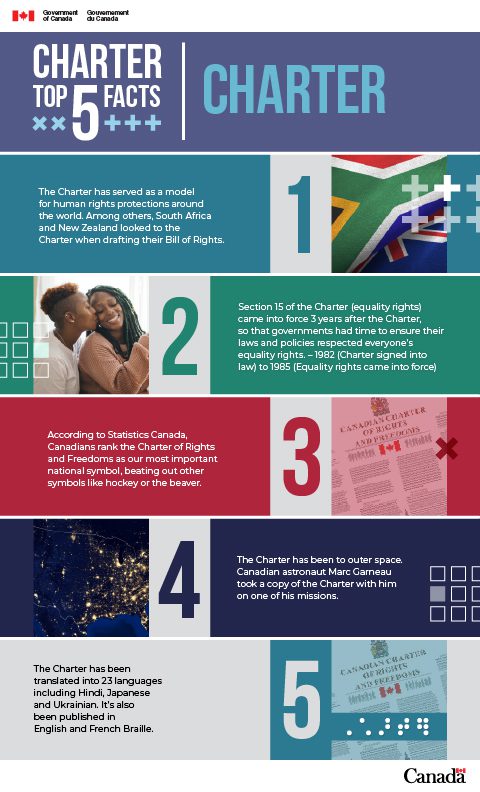
The Charter came into effect in 1982 as part of Canada’s Constitution. It sets out the fundamental rights and freedoms that everyone in Canada is entitled to, shaping how laws are written, how governments operate, and how people experience daily life across the country.
At its core, the Charter protects essential freedoms such as expression, peaceful assembly, and religion. It affirms democratic rights, including the right to vote and participate in political life. It also guarantees legal rights, mobility rights, equality rights, and language rights, helping ensure that individuals are treated fairly and equitably under the law.
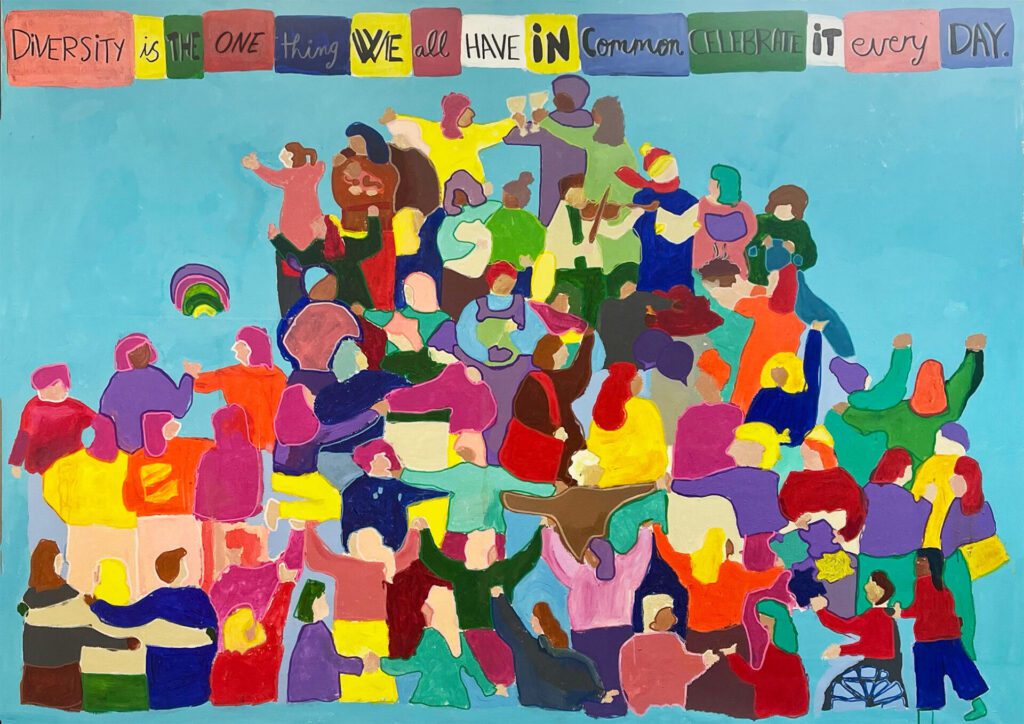
While the Charter may sound like a legal document best left to courts and policymakers, its impact is far more immediate and personal. It influences decisions about education, workplace fairness, access to services, and the ability to speak, gather, and move freely. Over time, it has played a key role in advancing equality and shaping conversations about inclusion, identity, and justice in Canada.
Charter Day is not only about looking back at a historic moment. It is also an invitation to think about how rights evolve and how they are understood in different contexts. The Charter continues to be interpreted through court decisions, public dialogue, and community engagement, making it a living document that reflects both enduring principles and changing perspectives.
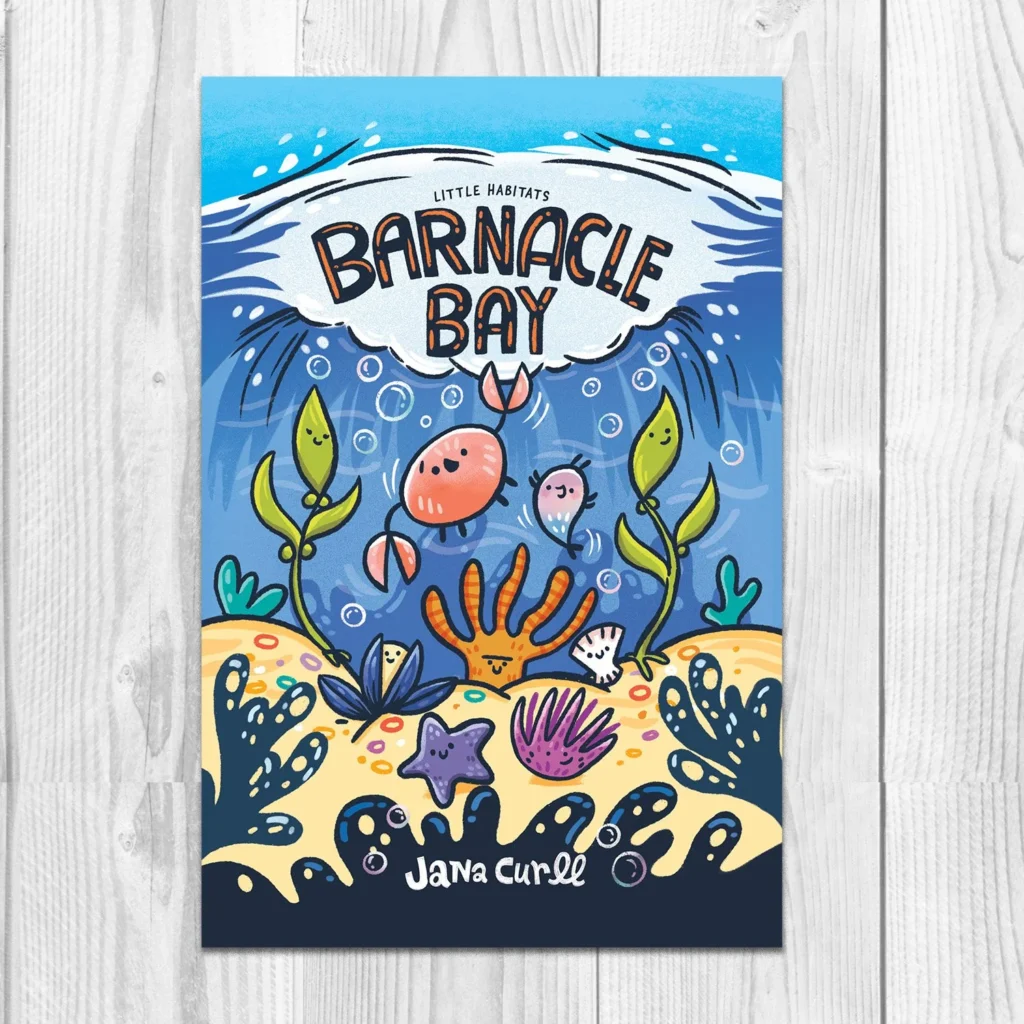
If you’d like to explore this topic further, take a look at our collection of books on the Canadian Charter of Rights and Freedoms. It offers a range of perspectives, from children’s picture books and introductory guides to deeper examinations of how the Charter continues to shape Canadian society today.
Need More Help?
Call us at 1-844-649-8127 or email help@orl.bc.ca. Please include as many details as you can about your question, account, or device. This helps us support you more quickly and accurately.
Library card expired? Reach out to your local branch or contact us online to renew—it’s quick and easy.